
Connection comes before perfect translation
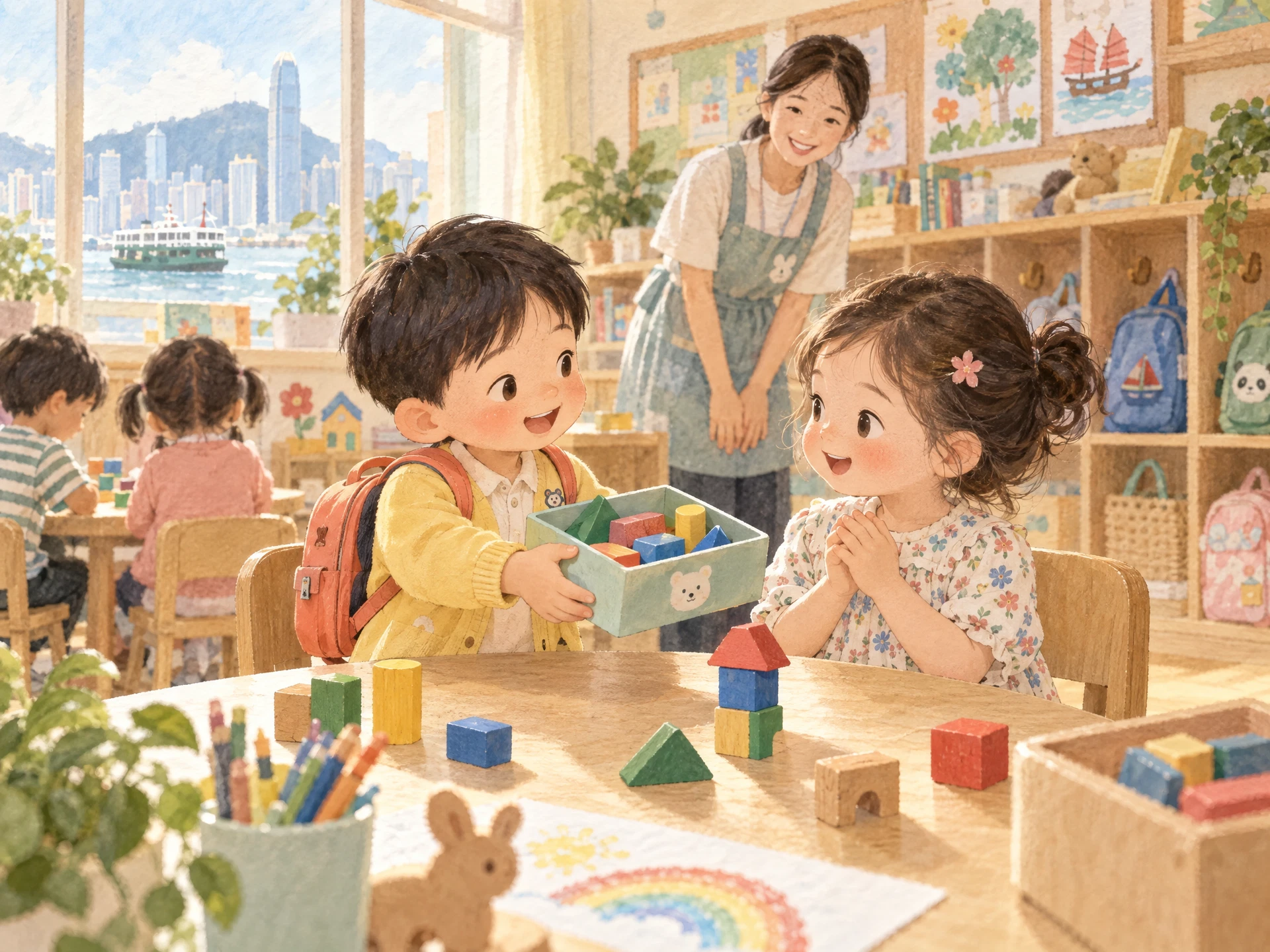
A bilingual picture book does not need to become a language test. Start in the language that helps your family enjoy the scene. If your child points at the train, talk about the train before worrying about finishing every line.
The Hong Kong Family Health Service describes shared reading as a way to support language and parent–child connection. Its practical guidance includes naming pictures, responding to a child’s interests and inviting older preschoolers to retell familiar stories. Those habits matter more than making storytime feel like a worksheet.
Keep each language natural
Read the short English line, then read the same moment in Hong Kong Standard Written Chinese. “Let people get off first” might become 「先讓乘客下車,我們再上車。」 The two lines should describe the same action, without needing identical word order.
You can read one language on the first evening and the other on the next. Another option is to read both and let your child answer in whichever language feels easiest. Avoid asking them to repeat every sentence perfectly.
Let the pictures set the pace
For ages 1.5–3, name a familiar object, colour or sound. For ages 4–5, ask one question about the character’s choice. For ages 6–8, invite your child to explain a clue or imagine a different ending. These are flexible SparkPageKids reading suggestions rather than a developmental test.
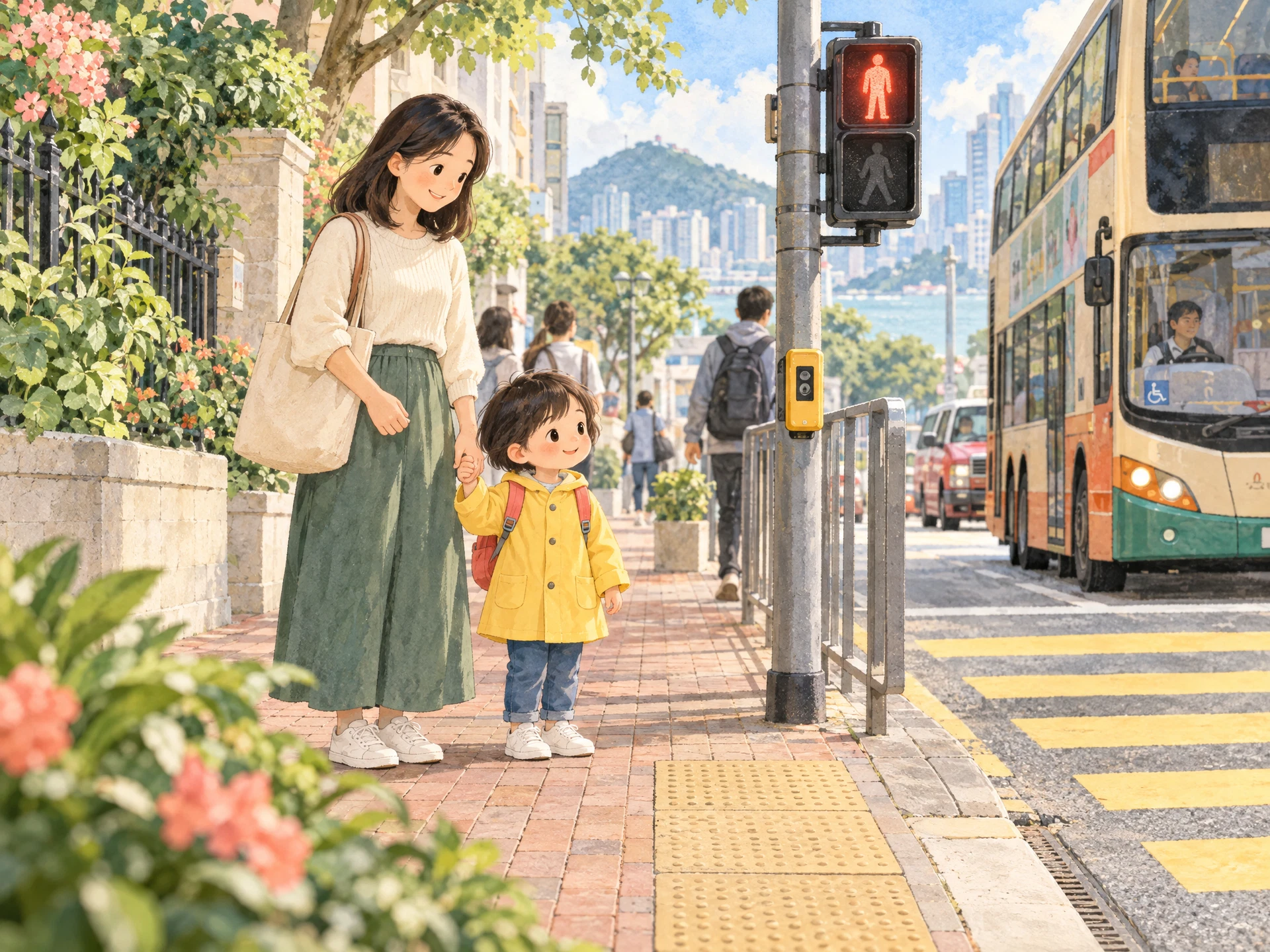
On a transport page, you might point to the waiting queue and ask, “Who needs to leave the train first?” Follow your child’s answer with a short response, and give them time to look again. A pause can be part of reading, not an interruption.
Return to the story in daily life
Before an MTR trip, remember the character’s patient waiting. At dinner, recall a polite request from another story. These are small opportunities to connect book language to ordinary family moments.
SparkPageKids prepares complete English and Traditional Chinese versions in the Hong Kong written form, without Jyutping; the display can show either version or both. Its parent guide sits outside the child’s story text so the page stays uncluttered. Choose a reading level that fits the experience you want, and keep enjoyment at the centre.
Further reading
These family activities are suggestions, not a substitute for professional advice or adult supervision. Sources supporting the shared-reading and safety guidance:
Make your child the hero.
Choose the topic and reading level, then try a cover plus first story-page sample in English and Hong Kong written Chinese together.
Build this kind of story ↗